

Here’s a question I’ve been sitting with for years:
Why is B2B marketing so freaking boring?
Not just boring. Actively bad. Forgettable. Indistinguishable from everyone else doing the exact same thing.
We’ve all been to the same webinars. Read the same eBooks. Clicked through the same white-papers. Attended the same events.
They all look the same. Sound the same. Feel the same.
FLAT.
And somehow, nobody questions it.
We tick the box and move on to the next thing. Launch a webinar. Check. Send the nurture sequence. Check. Publish the thought leadership piece. Check.
Being a B2B marketer has become more about tinkering, integrating, automating, orchestrating than the actual craft of marketing.
Now with AI? 10x all of that.
We’ve learned to use the channels. We just forgot to put any substance behind them.
The question nobody asks
I saw a post on LinkedIn recently that made me stop scrolling.
Someone was talking about how they do small exec events for CROs. The challenge? CROs get dozens of event invites every week. Getting them to show up when you’re a tiny, 20 person startup, is nearly impossible.
Most companies would just send the invite and hope for the best. Maybe follow-up a few times then call it a day.
But this team asked a different question: “Who has social capital with CROs?”
The answer: VCs.
So they partnered with firms like Sequoia to co-brand their exec dinners. Suddenly, the invite wasn’t coming from some unknown startup. It was coming from a brand CROs already trusted.
That right there is what most teams skip.
They just do the event without asking the hard questions.
And that’s the problem.
Big, bold and wild
Over a decade ago, I was working in marketing at Toronto-based startup Influitive. We needed to launch a new version of our core product, AdvocateHub.
We could have done what everyone else does: a webinar with slides, a demo, maybe some Q&A at the end. Standard B2B product launch playbook.
Instead, my colleague (and creative genius) Truman Tang, created BAM!TV The first late-night talk show for B2B software. Ever.
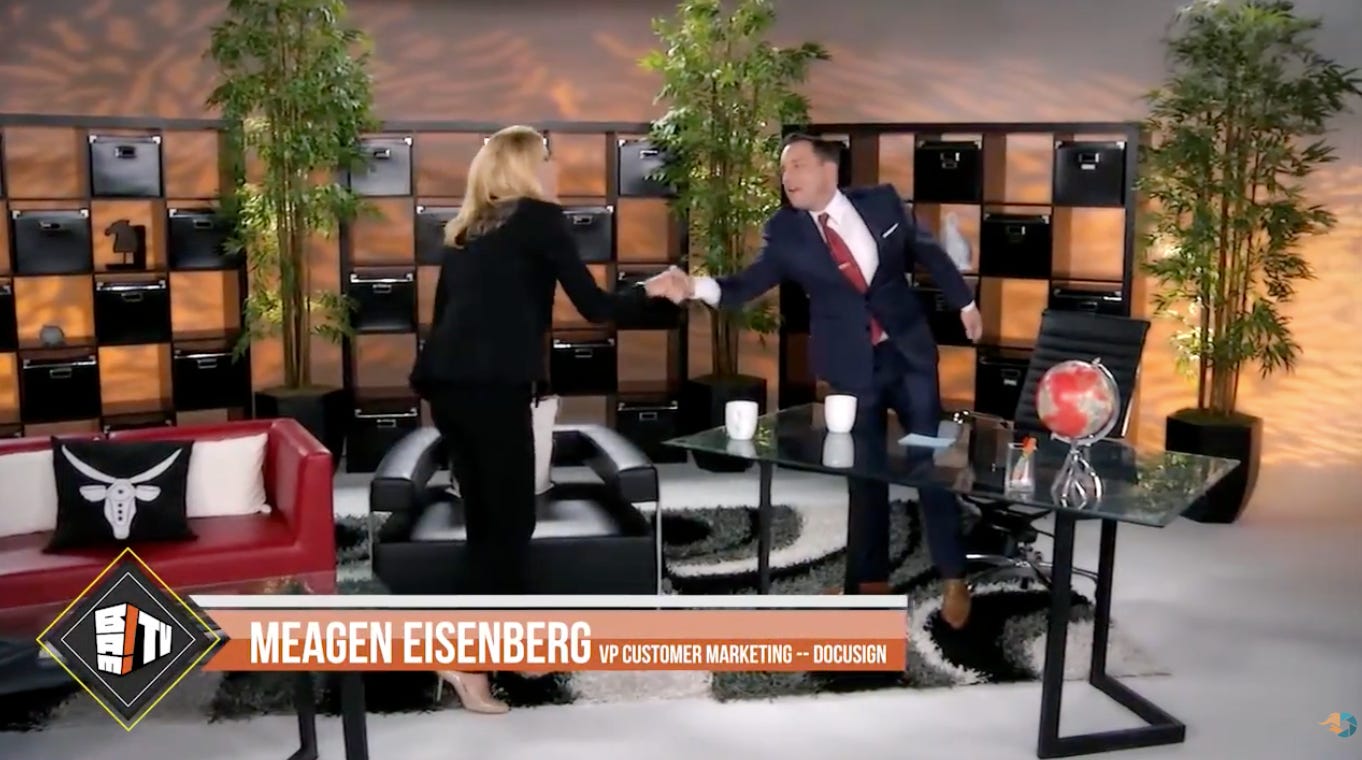
Complete with a host (Tony Wright), special guests, commercials, live feeds from ‘remote locations’, the whole thing.
It was challenging. It was fun. It was incredibly memorable.
We even went as far as to send pizza to our customers offices which they could enjoy while watching the show together. (Yes, back then everyone was always at the office).
Results:
1,500 views in the first 24 hours (4,000+ total)
461 event leads
574 tweets
Reached 183,000 accounts
But here’s what mattered more than the numbers: people actually remembered it.
They talked about it. They shared it. They showed up to our booth at conferences and referenced the show.
That’s the kind of marketing that makes work exciting and rewarding for you and your team.
Here's BAM!TV on YouTube if you're curious.
Making sovereignty emotional
At Rocket.Chat, we had a different problem.
We needed to create awareness around data sovereignty for European governments.
Right now, this topic is bigger than ever. European governments, and even commercial sectors, are actively looking to move away from US big tech to ensure they have complete control and ownership over their critical data.
That was not always the case.
We needed to speak up about the problem, help people connect with its deep significance and, in the process, build recall for Rocket.Chat as the solution.
So we made it emotional.
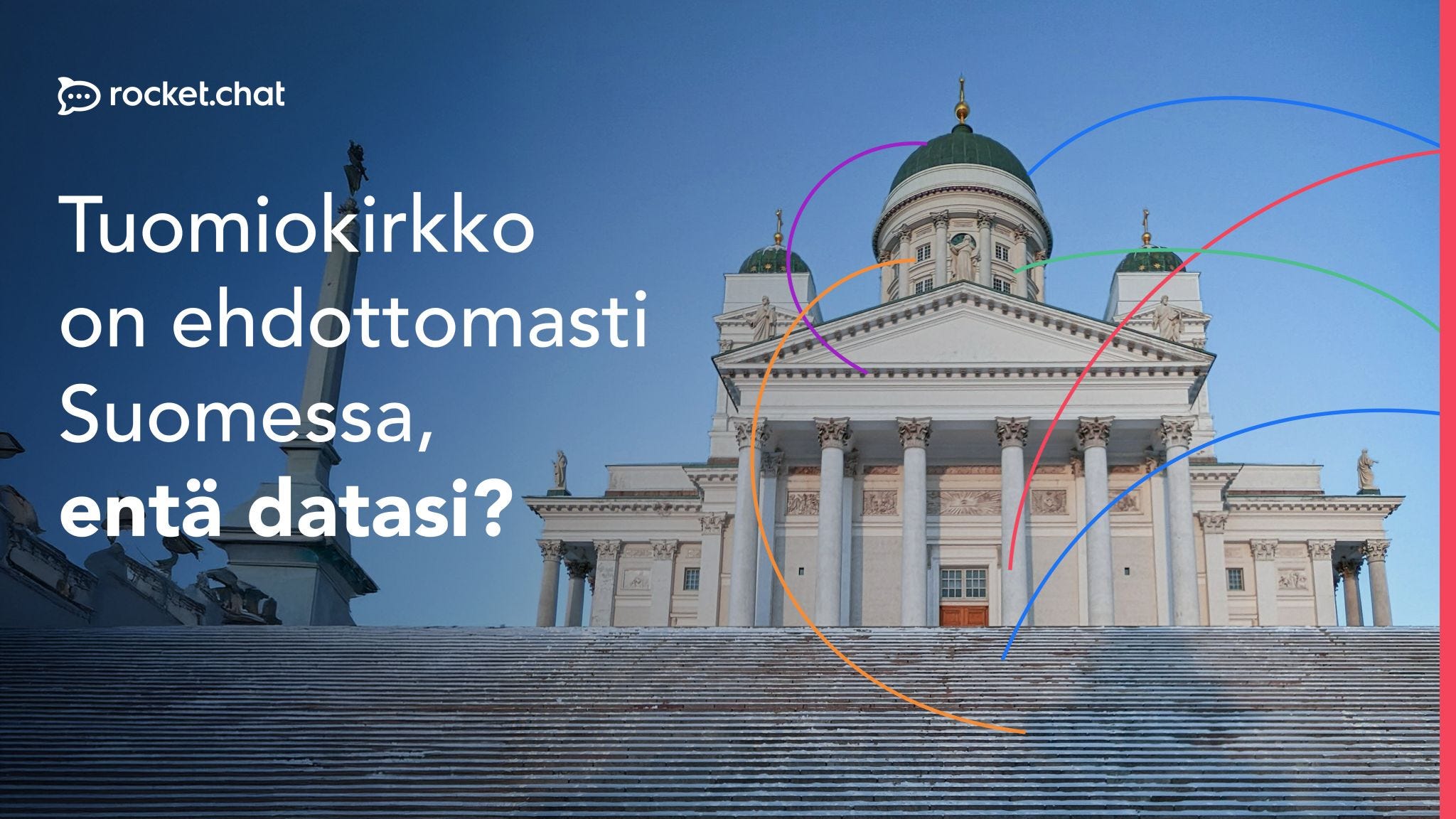
We created a campaign called Monuments. The idea was simple: pair iconic European landmarks with the message “This monument is definitely here, what about your data?”
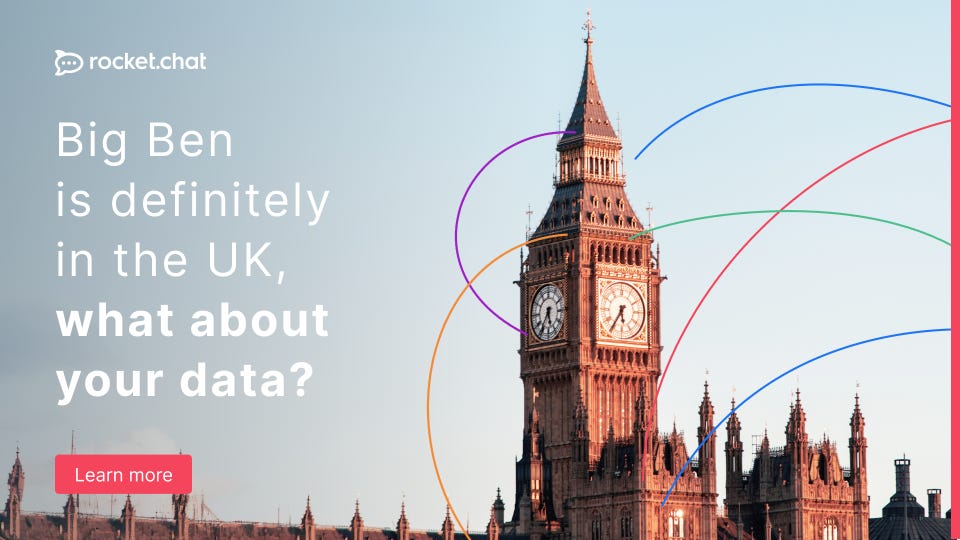
Big Ben in the UK. The Eiffel Tower in France. Instantly recognizable. Big national monuments that are definitely within their nation’s border and control.
We wanted to make people think “I get it. But what’s happening with my data?”
We worked with many of our partners and with our employees so that on launch day, everyone would post their own version of the campaign on their social media profiles. For ex.: I live in Finland so I posted about the tuomiokirkko; which is something I was proud to share.
Results:
1.6M+ impressions across our key accounts
208 social shares
We later expanded this into an integrated digital campaign that went on for a few months targeting our key accounts.
This campaign was all about building recall; because people make up a mental shortlist of the vendors they want to evaluate when solving specific challenges long before they’re ever actually looking to buy. You need to be on that list.
Recall drives preference, and preference drives revenue.
(Roughly speaking, only about 5% of your targets are ready to buy at any given time. Do not ignore the other 95%).
You need to become your audience
At Smarp, we were pivoting from selling advocacy software to employee communications. Completely new audience. We needed to build pipeline from scratch.
We could have run the standard demand gen playbook: gated content, lead magnets, email nurture sequences.
Instead, we picked up the phone and called Sue Dewhurst. She literally wrote the book on employee advocacy.
Myself and my CEO at the time spoke to her on the phone for about 20 mins; with a child like curiosity to learn about her craft. We ended up flying her over to our office the following week so she could speak to our employees and, most importantly, take questions from marketing, sales, product; the entire team.
“Where is the money in internal comms?”, “What capabilities are most crucial for our product to address?”, “What keeps them up at night?”.
For the next few months, we immersed ourselves in the world of internal communications.
It wasn’t long before we knew the who is who in the profession, where they hangout, their frustrations and aspirations. We then stumbled upon what came to be at the core of everything we went on to do:
Internal communications professionals are seen as the party planners and newsletter senders. That pisses them off. They are strategic communicators who deserve a seat at the table.
That feeling hit deep, so we went on to champion it across everything we did as a company; without ever mentioning our product (it was implicit).
We did everything with them and for them. We created events that people looked forward to; such as our quarterly live session ‘The Great Comms Debate’ (hosted by our favorite product marketer Aleksander Cardwell).
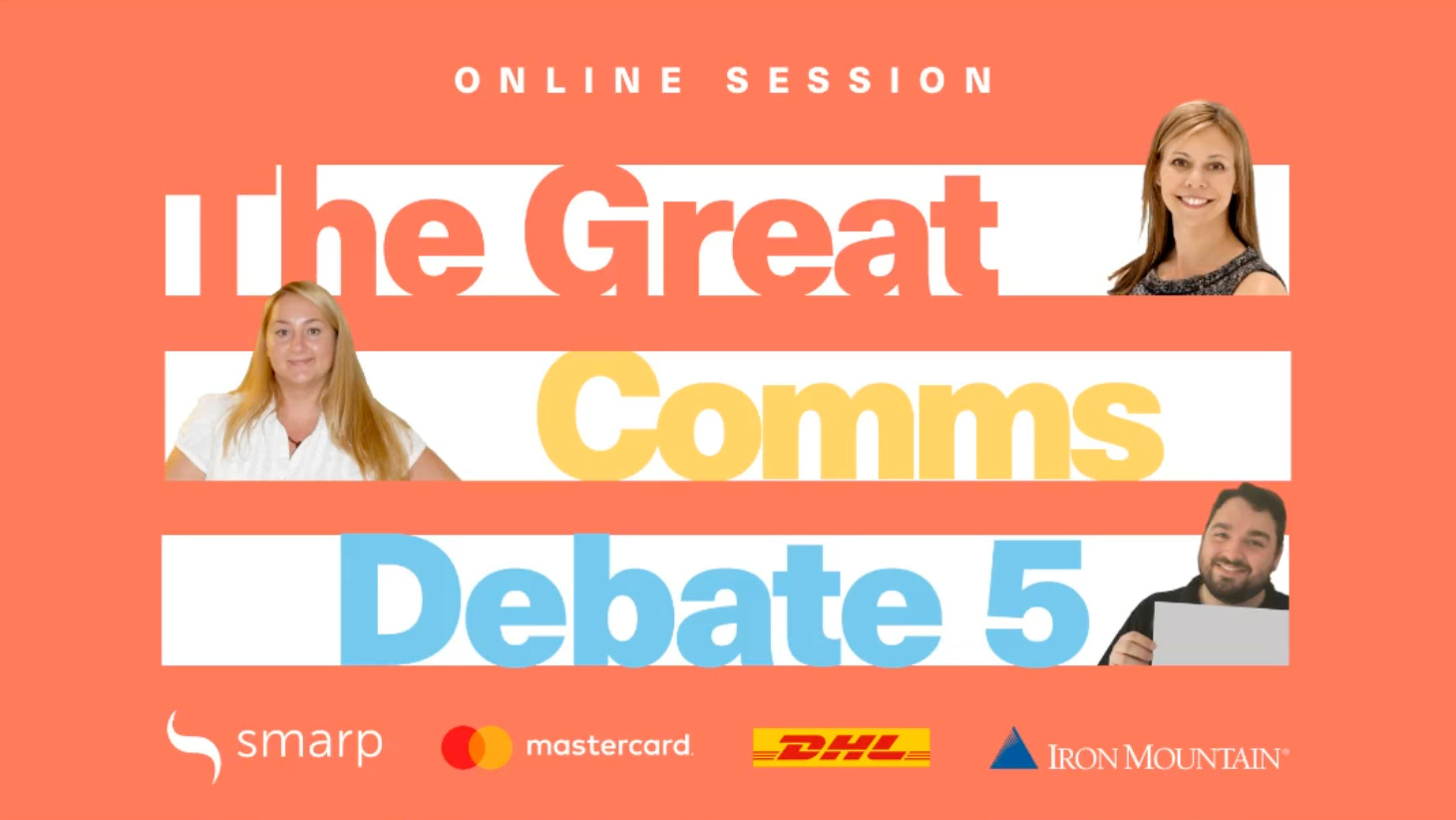
A very simple concept where internal comms pros from well known brands would agree or disagree on 5 different controversial and timely questions.
This thing took on a life of its own, with people sharing their thoughts on the topics all over social media, asking to participate and engaging heavily during the live session. It was an absolute blast.
You can still watch it if you wanna see the concept.
We also wrote blogs with our community. (Guess what, if you ask 16 people to collaborate with a piece of insight for a blog you’re writing, they will all proudly share it on their socials. Many of their connections are also in internal comms so they see it and they want in).
One of our very creative and talented team members Oles Datsko (who’s since become a life long friend of mine and just so happens to also be a marketer living abroad), took it upon himself to design and draw a map of the internal comms profession. He researched all branches of the function and put together what looked like a subway map.
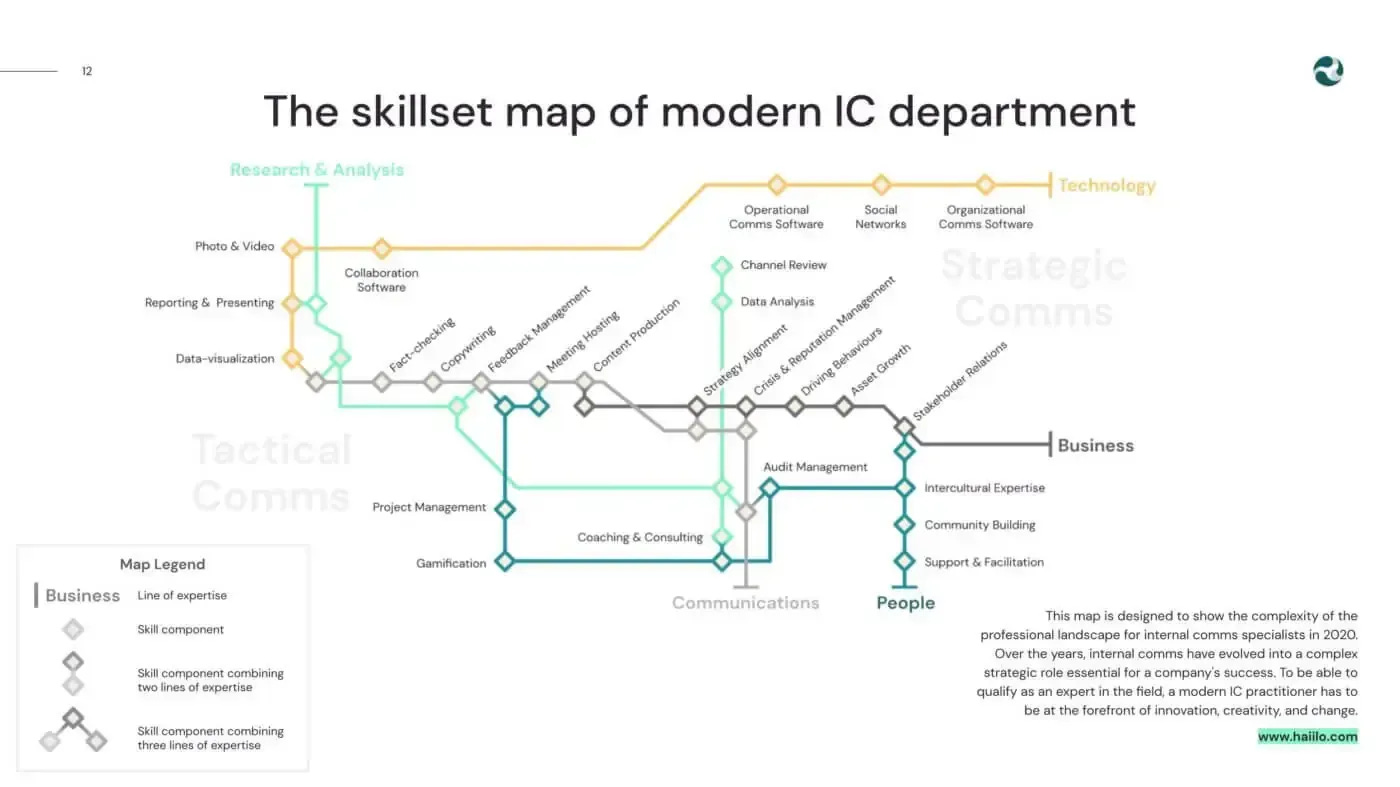
We offered to ship it to people on LinkedIn if they commented ‘map’ on the post. It went crazy viral and we spent the next month shipping these posters to offices all over the world. It was awesome.
By the end of year 1, we had 2 of the biggest voices in the world of internal comms running our podcast, inviting guests (they could get ANYONE to join), brainstorming topics. All for free because there was value for them in being at the top of that community.
It was a magical time.
Results:
Personally acquired 14,000+ LinkedIn followers
Our community drove 68% of all business pipeline during my time at Smarp
Again, the numbers aren’t the point. The point is: We took the time to understand the people and the profession so we could truly connect.
We gave them something worth their time.
Standing out by not playing it safe
Another one from Rocket.Chat.
We’re a secure communications platform that sells heavily into government organizations. The challenge? You can’t do direct outreach into the navy. You can’t cold call. You can’t send prospecting emails. Getting in front of the buyer is extremely difficult.
Federal System Integrators (FSIs) are a key part of the puzzle. These organizations win large contracts for different federal programs and then put together best-in-class solutions to fulfil these contracts. Which means it’s critical that we have a strong presence with them.
Leidos is one of these key FSIs for us.
In advance of their annual conference (where hundreds of technology partners showcase their solutions) we were challenged with a simple question: how do we stand out?
Most technology partners just set up a booth, hand out branded pens and flyers, and call it a day.
Here’s the thing: we’re talking about a critical industry. Subject matter often related to national security. It’s key that our brand instills confidence, professionalism, and represents the zero tolerance for failure these organizations demand.
In other words, it’s easy to play it safe.
But the ideas that make you most uncomfortable are usually the ones worth doing.
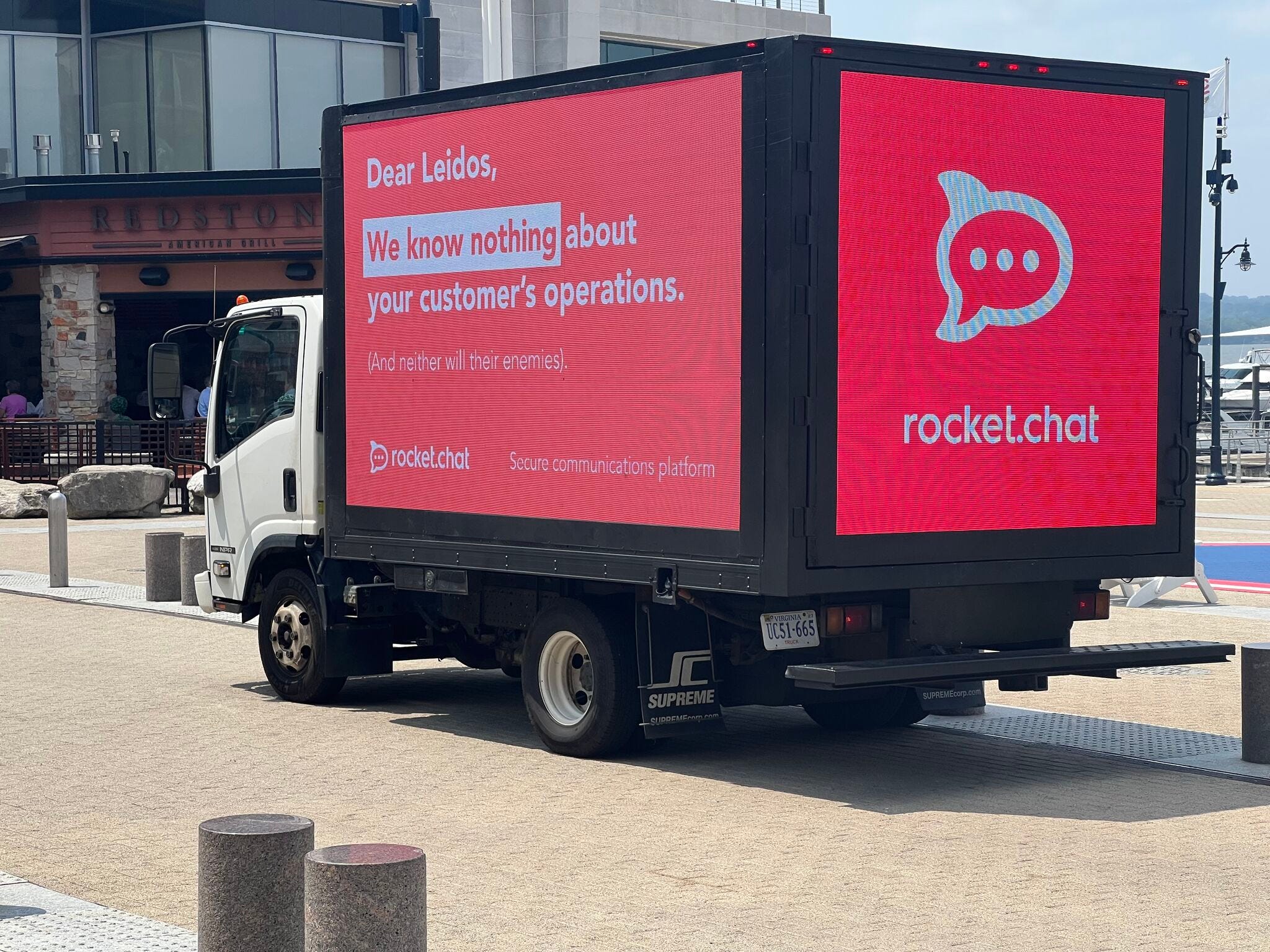
So… we showed up with a billboard in front of the venue entrance. A branded truck. A flyering team around the venue and recommended hotels. All with one single line:
“Dear Leidos, we know nothing about your customer’s operations.
(And neither will their enemies.)”
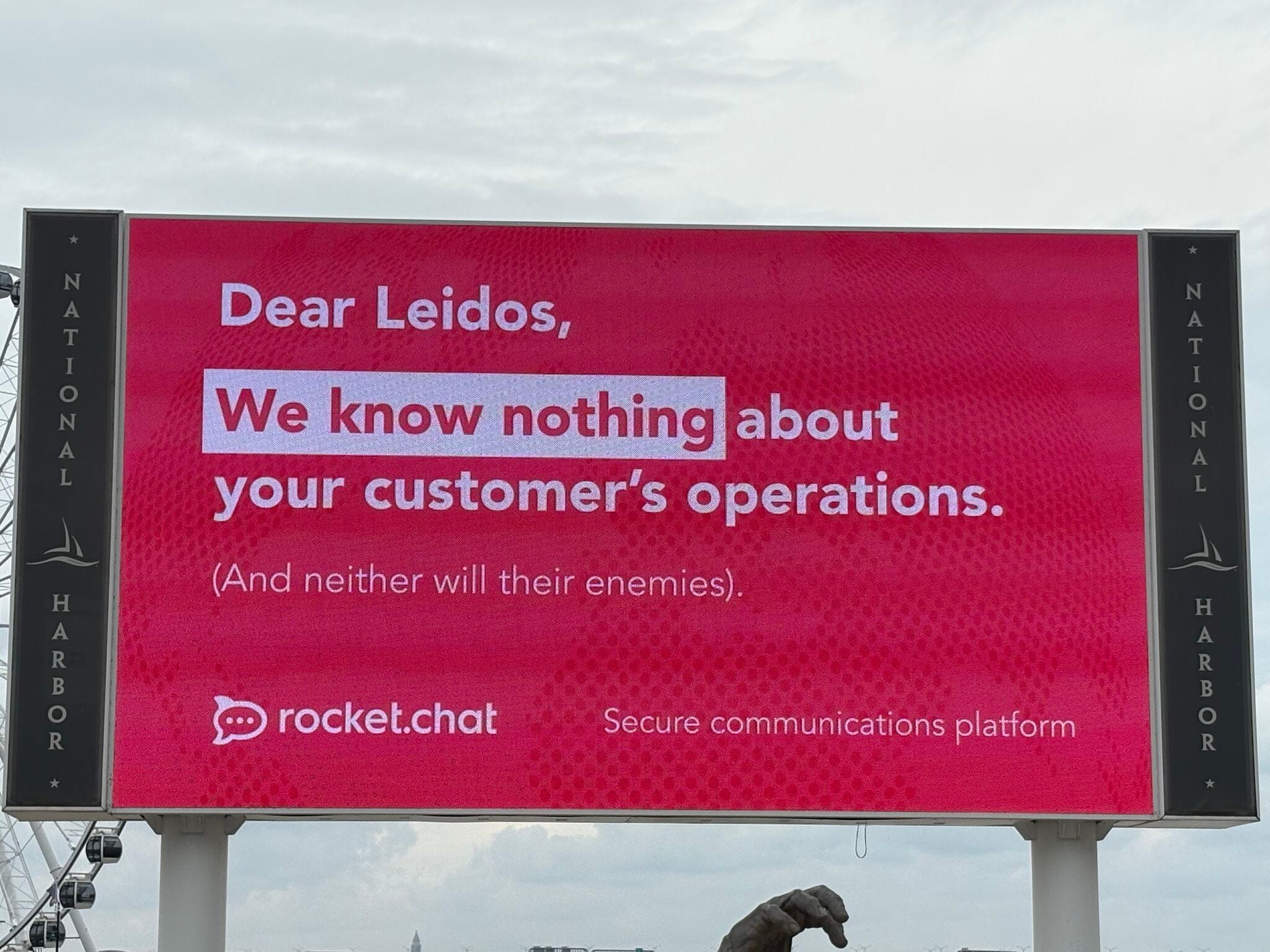
It was a statement about how secure our platform really is. It spoke to the fact that no one; not even Rocket.Chat; has access to our customers’ data. They own and control all of their communications data and infrastructure. Which is exactly what these organizations require.
Results:
6-figures in won revenue
Our team had resellers, Leidos personnel, and event attendees stop by our booth to tell us about the red billboard and truck outside
The AI trap (and how it’s making this worse)
Now add AI to the mix.
AI can write your emails. Generate your blog posts. Draft your social captions. Create your webinar outlines.
And most marketers are using it to do exactly that: create more of the same flat, forgettable content everyone else is creating. AI bloat.
AI should be the tool that lets you focus on the craft. On the strategy. On the creative thinking that actually differentiates you.
But instead, we’re using it to scale mediocrity.
The answer is not complicated. It’s just hard.
TL;DR:
If you take anything away from this article, let it be these 4 points:
1. Ask the hard questions before you execute.
2. Find the opportunity for creativity in the mundane.
3. Remember that tools are not strategy.
4. Treat your work money like you would your own. (This one does wonders).
The craft of marketing is still the craft of understanding people, telling stories, and creating experiences worth remembering.
Everything else is just logistics.
Good is a rare currency in B2B.
Be rare.
✌️
What do you think? Are we losing the craft, or am I being too harsh? Which one of your own campaigns are you most proud of? Let me know in the comments.